
No products in the cart.
Return To Shop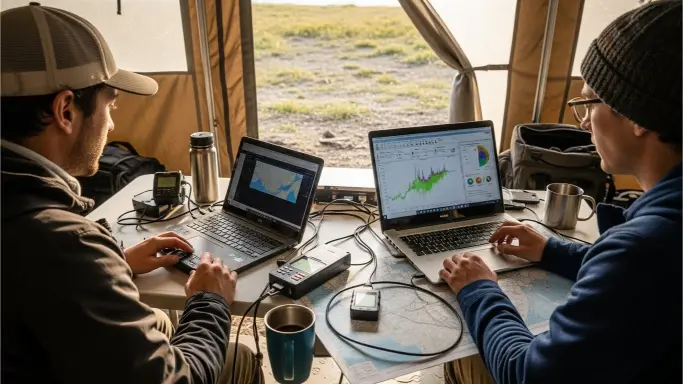
A Day in the Life of a PIT Tag Research Project
From Field Prep to Meaningful Data
Behind every PIT tag dataset is a full day of preparation, coordinated fieldwork, and a series of small but critical decisions that ultimately determine data quality. While PIT tags themselves are small, the systems and protocols surrounding them are designed to support accuracy, efficiency, and animal welfare over the long term.
Early Morning: Gear Checks and System Prep
Most PIT tag days begin early. Before any fish are handled, the tagging system is staged and verified. Handheld readers are powered on and tested. Batteries are checked. Time and date settings are confirmed, so detections align correctly with environmental data later. Tag files are reviewed to ensure codes are unique and properly assigned.
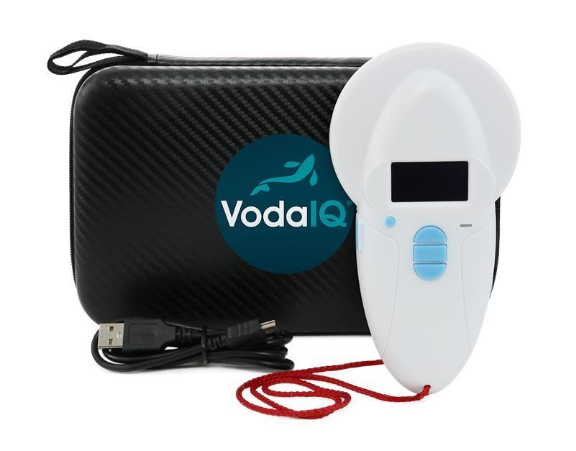
Mid Morning: Tagging and Immediate Verification
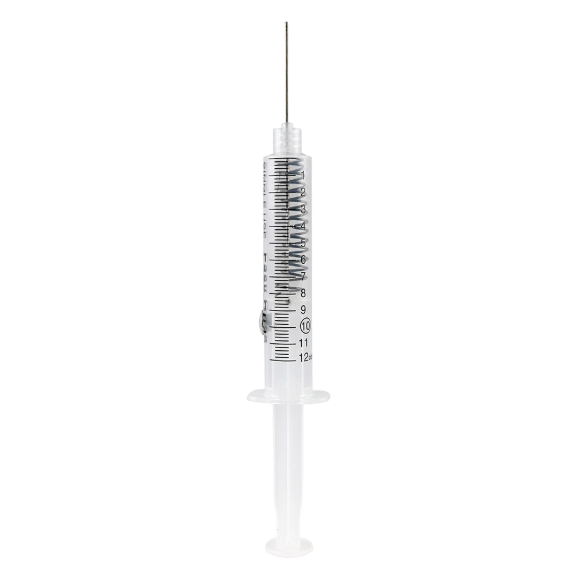
Once sampling begins, efficiency and consistency become critical. Fish are captured using methods appropriate for the species and habitat. PIT tags are implanted using a sterile injector, typically in seconds. Immediately after implantation, each tag is scanned to confirm the tag is active and correctly recorded.
Understanding the Technology Inside the Tag
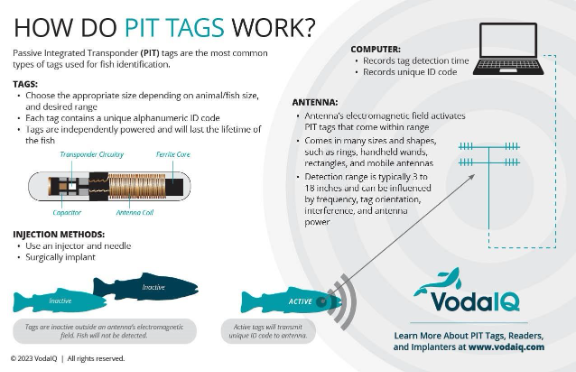
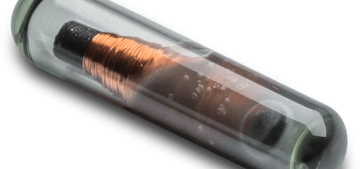
Each PIT tag contains a microchip, antenna coil, capacitor, and ferrite core sealed inside biocompatible glass. There is no internal battery. Tags remain inactive until they enter an antenna’s electromagnetic field, at which point they transmit a unique identification code.
How Small Is a PIT Tag?
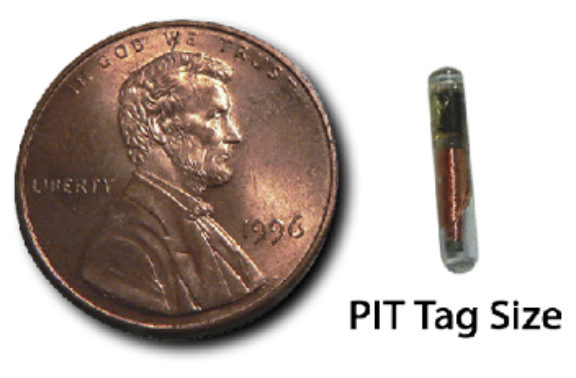
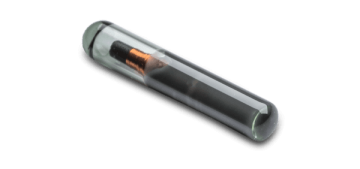
PIT tags are typically comparable in size to a grain of rice. Their small footprint allows tagging across a wide range of species and life stages while minimizing impact on the animal.
Final Thought
A PIT tag research project is defined by preparation, verification, and systems that continue working long after the field day ends. From early morning gear checks to years of passive detections, each PIT tag carries a long-term record of movement and survival. The real work is making sure that the record is accurate.

Related posts
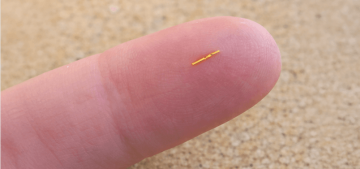
Traditional PIT tags have transformed fisheries and wildlife research by allowing scientists to uniquely identify individuals over long periods of time. But tag size has... Continue reading
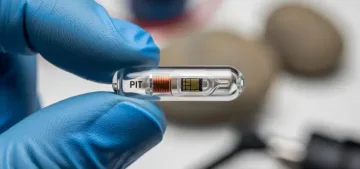
Budgets Tight? Stretch Your Research Dollars with Voda IQ If you work in fisheries, conservation, aquaculture, or hatchery management, you already know the reality. Budgets... Continue reading
Aquaculture is evolving rapidly. As global demand for seafood increases, producers and researchers is under pressure to improve efficiency, stock quality, and long-term sustainability. One of the most powerful... Continue reading
Choosing the Right Location for Accurate Data and Healthy Fish Passive Integrated Transponder (PIT) tags have become a standard tool in fisheries research, aquaculture and... Continue reading
Passive Integrated Transponder tags, better known as PIT tags, have become one of the most important tools in fisheries biology, wildlife monitoring, and laboratory research.... Continue reading
Add comment