
No products in the cart.
Return To Shop
The Science Behind Long Term Data Explained
What PIT Tag Arrays Teach Us Over Time
Why Long-Term Data Matters in Aquatic Systems
One of the most powerful aspects of PIT tag technology is not just what it tells us today, but what it reveals over years and decades. Long term PIT tag datasets uncover patterns that short studies often cannot capture, helping guide fisheries management, habitat restoration, and conservation policy worldwide.
Aquatic environments are constantly changing. River flows vary; temperatures shift, habitats evolve, and human impacts accumulate gradually. Short-term studies often miss these slow-moving trends.
How Fixed PIT Tag Arrays Work
Fixed PIT tag arrays are installed at strategic locations such as river mouths, tributary junctions, fish ladders, dams, and migration bottlenecks. Once installed, these systems passively record detections whenever a tagged animal moves through the antenna field. The result is a growing dataset that links individuals to time, location, and movement history.
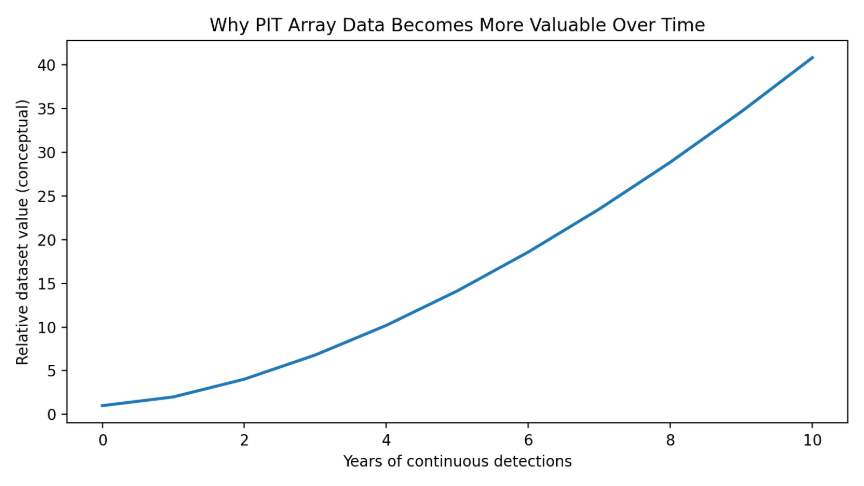
Figure 1. Example locations where fixed PIT tag arrays are commonly installed.
What Long Term PIT Data Reveals That Short Studies Cannot
Survival Trends Across Years
Long term PIT detections support survival estimates across multiple life stages and environmental conditions, helping separate natural variability from meaningful change.
Climate and Flow Impacts
When paired with flow and temperature records, PIT detections can reveal thresholds where movement timing and survival shift.
Infrastructure Effects
Long running arrays can show how dams, hydropower operations, culverts, and passage improvements influence migration success over time, not just immediately after installation.
Population Level Insights from Individual Tags
Each PIT tag represents one individual, but together they create population level datasets that can be analyzed with high statistical power.
The Compounding Value of Passive Monitoring
One of the most overlooked benefits of PIT tag arrays is that data value compounds over time. A detection today becomes more informative tomorrow when it can be compared to past years. As datasets grow, uncertainty drops and confidence increases.
Figure 2. Conceptual view of how continuous detections increase dataset value over time.
Why Low Frequency Technology Makes This Possible
Long-term monitoring depends on reliable detection in water and through tissue. Low frequency PIT tag systems are designed for this reality, which helps arrays run for long periods while still producing dependable data.
What This Means for Conservation and Management
Long-term PIT datasets help managers move from reactive decisions to proactive strategies. Instead of guessing what worked, teams can measure outcomes objectively. Instead of noticing declines late, programs can identify warning signs early.
Final Thought
PIT tags are small, but the datasets they create are enormous in value. With fixed arrays and long-term commitment, PIT tag technology becomes more than a tracking tool. It becomes a way to understand how ecosystems change and how management actions shape the future.


Related posts

Introduction Effective data management is crucial in the field of fisheries biology, where research often generates vast amounts of complex data. Proper handling, storage, and... Continue reading

The fishing industry has long relied on traditional methods to collect data about fish populations, habitats, and industry trends. However, as global environmental and regulatory... Continue reading

In an era of rapid technological advancement, digital tools are becoming indispensable in every industry, including fisheries. These tools, often packaged within specialized fisheries software,... Continue reading

Managing fishery resources has always been a delicate balancing act between meeting human demand and preserving the aquatic ecosystems that support these resources. The health... Continue reading
Add comment