
No products in the cart.
Return To Shop
Voda IQ Showcases PIT Tag Innovation at Montana and Idaho AFS Chapter Meetings
At Voda IQ, advancing fisheries research and improving PIT tag technology remain at the center of what we do. Our participation in both the Montana and Idaho American Fisheries Society (AFS) Chapter meetings provided a valuable opportunity to connect directly with fisheries biologists, researchers, and field technicians working on the front lines of aquatic science.
These gatherings created a space where ideas, challenges, and practical solutions could be exchanged openly. Through trade shows, technical presentations, and in-depth conversations, we were able to share how Voda IQ is supporting more efficient tagging workflows and improving data collection in real-world field conditions.
Collaboration That Reflects Real Field Needs
Both AFS chapter meetings brought together professionals working across fish science, wildlife tracking, and conservation technology. The setting encouraged practical conversations rooted in real field experience.
Workshops and presentations covered everything from restoration monitoring to everyday field operations, highlighting how closely fisheries work connects with broader environmental priorities.
Beyond the sessions, discussions continued across trade show floors and networking spaces. Common challenges came up repeatedly, including managing data in remote environments, reducing handling stress, adapting to evolving workflows, and maintaining cost efficiency without sacrificing quality.
Voda IQ was proud to be part of these conversations, especially around improving tag retention, read performance, and overall field efficiency.
Strong Interest in Preloaded PIT Tag Systems
One of the most talked about innovations during both events was our preloaded PIT tag system. Designed to simplify tagging workflows, this system helps reduce handling time while improving consistency in the field.
A key feature that drew attention was the EcoSaver tray design. Researchers showed strong interest in its functionality, especially with the addition of a secure lid. This enhancement helps protect tags, maintain organization, and support easier transport in rugged field environments.
The feedback we received reinforced an important point. Field professionals value solutions that are practical, easy to deploy, and reliable under real working conditions. Efficiency gains matter most when they do not introduce additional complexity.
IM100 QuickLock Implanter Gains Positive Feedback
The IM100 QuickLock PIT tag implanter also received significant attention from attendees. Many researchers highlighted how intuitive and easy the tool is to use, particularly during long tagging sessions where comfort and control become critical.
The ergonomic design was frequently mentioned as a key advantage. It allows for better handling and reduces fatigue, which can make a meaningful difference during extended fieldwork.
Another standout feature was the locking hub needle mechanism. This design ensures that the needle remains securely in place during use, eliminating common issues such as loosening or misfiring. For field professionals, this level of reliability translates into greater confidence, improved safety, and more consistent results.
The overall response emphasized how important it is to have tools that perform reliably without requiring constant adjustment or troubleshooting.
Veloce Measuring Board Improves Data Collection Efficiency
The Veloce measuring board was another highlight that generated strong interest among fisheries professionals. Designed to simplify the process of measuring fish length and capturing associated data, the system supports faster and more efficient workflows.
Attendees appreciated how intuitive the system is to use, especially in field conditions where time and resources are often limited. The ability to operate the board as a single-user system adds another layer of practicality, allowing researchers to work more independently without sacrificing accuracy.
By streamlining data collection in real time, the Veloce board helps reduce complexity and save time. This allows researchers to focus more on the quality of their data and the outcomes of their work rather than the mechanics of the process itself.
Building Meaningful Connections Across the Community
While technology played a central role in our participation, one of the most valuable aspects of attending these AFS chapter meetings was the opportunity to connect with the people behind the work.
We had the chance to engage with professionals from a wide range of disciplines, including research, hatchery operations, and resource management. These interactions provided deeper insight into ongoing projects, emerging challenges, and the evolving needs of the fisheries community.
Many of these conversations extended beyond product discussions. They focused on shared goals, practical experiences, and the continuous effort to improve how fisheries research is conducted. This level of engagement helps ensure that the solutions we develop remain aligned with real-world demands.
Continuing to Advance Fisheries Technology
As fisheries science continues to evolve, the need for accurate, efficient, and field-ready tagging solutions becomes even more critical. The insights gained from the Montana and Idaho AFS Chapter meetings reinforce the importance of collaboration, innovation, and practical design.
Voda IQ remains committed to supporting the fisheries community with reliable PIT tag solutions, high-performance equipment, and responsive service. By staying closely connected to field professionals and their experiences, we continue to refine our approach and improve the tools that support their work.
We look forward to building on the relationships established during these meetings and continuing to contribute to advancements in fisheries research and conservation.

Related posts
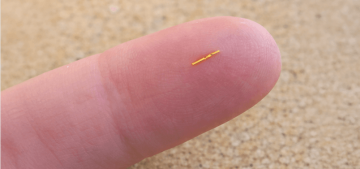
Traditional PIT tags have transformed fisheries and wildlife research by allowing scientists to uniquely identify individuals over long periods of time. But tag size has... Continue reading
Budgets Tight? Stretch Your Research Dollars with Voda IQ If you work in fisheries, conservation, aquaculture, or hatchery management, you already know the reality. Budgets... Continue reading
Aquaculture is evolving rapidly. As global demand for seafood increases, producers and researchers is under pressure to improve efficiency, stock quality, and long-term sustainability. One of the most powerful... Continue reading
From Field Prep to Meaningful Data Behind every PIT tag dataset is a full day of preparation, coordinated fieldwork, and a series of small but... Continue reading
Choosing the Right Location for Accurate Data and Healthy Fish Passive Integrated Transponder (PIT) tags have become a standard tool in fisheries research, aquaculture and... Continue reading
Add comment