
No products in the cart.
Return To Shop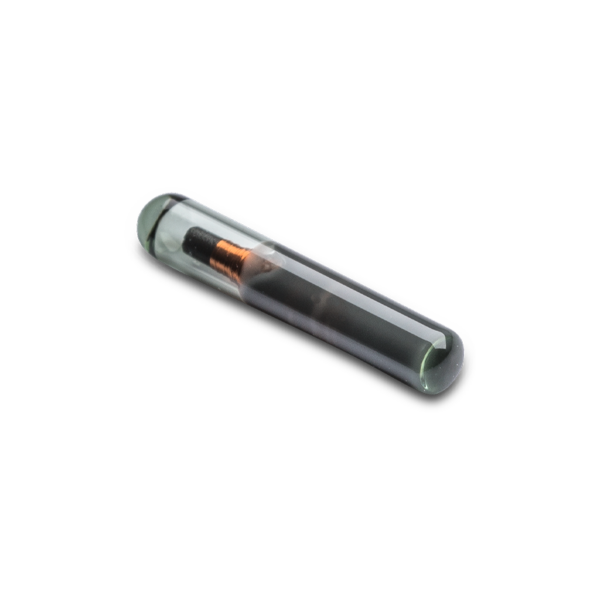
Best Fish Tags for Specific Species & Sizes: Salmon, Trout, Small Juveniles, etc
In fisheries research and conservation, the quality of data often hinges on one critical choice that happens long before analysis begins: selecting the best fish tags for the species and size being studied. When tags are mismatched to fish biology or life stage, the impact is felt later through reduced detection, inconsistent records, or unavoidable stress on fish. For programs focused on population monitoring, migration studies, and education-driven fieldwork, fish tags are not just identifiers. They are long-term data partners.
Different species demand different tagging strategies. Large migratory fish, resident stream species, and fragile juveniles all interact with tags in distinct ways. Among the available options, PIT tags have become one of the most widely relied upon solutions, not because they are universally perfect, but because they offer a rare balance of reliability, longevity, and flexibility across species and sizes.
What Makes a Fish Tag the “Best” Choice
Before looking at species-specific needs, it helps to define what the best fish tags actually accomplish in modern fisheries work.
Strong fish tags typically provide:
- Permanent individual identification without batteries
- Minimal interference with growth, behavior, and survival
- Compatibility with commonly used readers and detection systems
- Durability in freshwater, saltwater, and variable temperatures
PIT tags meet these criteria in many research contexts. As passive internal identifiers, they allow fish to be tracked over long periods without requiring maintenance or replacement. This makes them particularly valuable for studies that span multiple seasons or life stages.
Salmon: Reliable Tags for Migration and Passage Studies
Salmon research places some of the highest demands on fish tags. These species migrate long distances, pass through multiple monitoring structures, and are often part of multi-year studies.
For juvenile and adult salmon, the best fish tags are those that remain readable across repeated detections while maintaining fish health. Full-size PIT tags in the 12 millimeter range are widely used in these applications because they offer:
- Strong and consistent read performance at fixed arrays
- Proven durability during migration and handling
- Long service life that aligns with extended study timelines
In salmon systems where missed detections can skew survival estimates or passage data, PIT tags help maintain confidence in the dataset without adding unnecessary complexity.
Trout: Matching Tag Size to Diverse Populations
Trout studies often involve a wide range of body sizes and habitats, from small headwater streams to larger river systems. This diversity makes thoughtful tag selection essential.
For larger trout, standard PIT tags provide dependable identification for:
- Mark recapture studies
- Movement and habitat use analysis
- Long-term population monitoring
Smaller trout populations, including resident or young individuals, benefit from reduced diameter PIT tags. These compact fish tags allow researchers to collect individual-level data while minimizing implantation stress and preserving natural behavior.
Small Juveniles: Tagging Early Without Compromise
Juvenile fish are among the most challenging subjects to tag, yet early life stage data is often the most valuable. Growth rates, survival, and movement patterns established early can shape population outcomes later on.
The best fish tags for small juveniles emphasize minimal size and smooth implantation. Nano and micro PIT tags make it possible to:
- Begin tracking fish at smaller sizes
- Extend study windows across life stages
- Maintain ethical handling standards
When properly matched to fish size, PIT tags allow juvenile studies to move forward without sacrificing welfare or data quality.
Warmwater Species and Multi-Species Research
Beyond salmonids, fisheries research frequently includes species such as bass, catfish, and walleye. These fish generally tolerate standard internal fish tags well due to their body structure and growth patterns.
In these contexts, PIT tags serve as a versatile option that supports:
- Stocking and survival assessments
- Movement and habitat connectivity studies
- Mixed species monitoring programs
For consumable species or harvest-based research, food-safe PIT tag housings may be selected to align with regulatory or ethical requirements while maintaining identification accuracy.
Environmental Performance and Long-Term Reliability
Fish tags are only as useful as their ability to perform in real-world conditions. Temperature fluctuations, water chemistry, vibration, and physical handling all test over time.
High-quality PIT tags are designed to withstand these challenges, maintaining readability across years of deployment. This durability is especially important in conservation and monitoring programs where re-tagging is impractical or impossible.
Education and Training with Professional Grade Fish Tags
Fish tagging is not limited to applied research alone. Universities, colleges, and technical programs rely on the same fish tags to train future fisheries professionals.
Organizations like Voda IQ support fisheries education by providing PIT tags, tagging equipment, and technical guidance that mirror real research environments. Educational pricing and program support allow students to gain hands-on experience with professional-grade fish tags while learning proper tagging techniques and study design.
This continuity between classroom learning and field application strengthens both education outcomes and future research quality.
Choosing Fish Tags with Species and Purpose in Mind
There is no single tag that fits every project. The best fish tags are selected by considering:
- Species biology and size
- Study duration and detection needs
- Environmental conditions
- Research or educational goals
PIT tags continue to play a central role in fisheries science because they adapt well to these variables, offering consistent performance across a wide range of species and study designs.
Moving Fisheries Science Forward
Thoughtful tag selection supports better data, healthier fish, and stronger conclusions. By choosing fish tags that align with species-specific needs and research objectives, fisheries programs can reduce uncertainty and improve long-term outcomes.
For research institutions, conservation agencies, and educational programs seeking dependable fish tags and expert support, Voda IQ provides PIT tagging solutions designed to meet the demands of modern fisheries science.

Related posts
If you’ve ever tried to track fish movement, study population health, or gather long-term behavioral data, you already know how frustrating it can be when... Continue reading
Tracking the migratory patterns of fish has never been more crucial for understanding our oceans and the life within them. With the integration of advanced... Continue reading
The utilization of Passive Integrated Transponder (PIT) tags plays a pivotal role in the research and management of fish populations, enabling detailed studies of behavior,... Continue reading
Tagging fish, whether for research, conservation, or aquaculture purposes, is a delicate process that often requires the use of sedatives to ensure the safety and... Continue reading
Add comment