

The Future of Environmental Data Sharing Starts With Better Collaboration
Environmental research is generating more data than ever before. Fisheries biologists, wildlife researchers, conservation organizations, hatcheries, universities, and government agencies are collecting enormous amounts of information related to species movement, habitat conditions, restoration efforts, survival studies, and ecosystem monitoring.
But while the amount of environmental data continues growing rapidly, the ability to efficiently organize, manage, share, and utilize that information often lags behind.
Today, one of the biggest challenges facing conservation and environmental science is not simply collecting data. It is creating systems that allow researchers and organizations to manage that data effectively while maintaining ownership, security, and accessibility.
At Voda IQ, we believe the future of fisheries conservation and environmental research depends heavily on smarter data management and improved collaboration between organizations, researchers, and technologies.
Environmental Research Is Becoming Increasingly Data Driven
Modern conservation projects now collect information from:
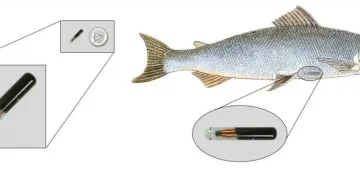
• PIT tags and RFID systems
• Fish passage monitoring systems
• Wildlife tracking devices
• Habitat restoration projects
• Water quality monitoring stations
• Population surveys
• Remote sensing technologies
• Automated field equipment
Researchers may collect:
• Fish movement data
• Migration timing
• Species abundance
• Habitat use
• Environmental conditions
• Survival estimates
• Restoration performance metrics
The scale of this information continues expanding every year.
The Problem With Isolated Data Systems
Historically, many organizations developed their own independent systems for storing and managing environmental data.
While these systems often worked internally, they also created major challenges:
• Data silos
• Inconsistent formatting
• Limited accessibility
• Difficult collaboration
• Duplicate efforts
• Long term storage concerns
• Reduced interoperability between systems
In many cases, valuable environmental data becomes difficult to locate, organize, or reuse across projects and agencies.
This can slow conservation progress and limit the overall value of long term research efforts.
Better Data Sharing Improves Conservation
Environmental challenges rarely stop at organizational boundaries.
Fish populations migrate across:
• Rivers
• Watersheds
• States
• Provinces
• International borders
Wildlife populations and ecosystems are similarly interconnected.
As a result, conservation efforts increasingly depend on collaboration between:
• Government agencies
• Universities
• Tribal organizations
• Nonprofits
• Private industry
• Research institutions
Improved environmental data sharing allows organizations to:
• Identify trends faster
• Improve management decisions
• Reduce duplicate efforts
• Increase research efficiency
• Strengthen conservation planning
• Improve long term monitoring
Data Ownership and Security Still Matter
While collaboration is important, organizations also need confidence that their data remains secure and properly managed.
Many researchers and agencies are understandably cautious about:
• Data ownership
• Access control
• Intellectual property
• Sensitive species information
• Long term stewardship
Modern environmental data systems must balance:
• Accessibility
• Security
• Flexibility
• Collaboration
• User control
Successful future platforms will likely allow organizations to share information selectively while still maintaining ownership and management authority over their datasets.
Fisheries Conservation Is Leading Many Innovations
Fisheries research has become one of the largest users of long term environmental data systems.
Modern fisheries programs may combine:
• PIT tag detections
• RFID readers
• Hatchery records
• Fish passage monitoring
• Environmental conditions
• Species identification
• Population studies
• GIS and mapping systems
Managing this information efficiently requires increasingly advanced data management software.
At Voda IQ, technologies like VodaTrak Software help fisheries professionals collect, organize, customize, and export data efficiently while simplifying field workflows and improving long term data quality.
Standardization Improves Long Term Value
One of the biggest opportunities in environmental data management is standardization.
When organizations use:
• Consistent data structures
• Shared formatting standards
• Compatible technologies
• Organized metadata systems
it becomes much easier to:
• Share information
• Compare datasets
• Conduct long term analysis
• Integrate collaborative research efforts
Standardization also improves the long term usability of environmental data for future researchers and conservation programs.
Technology Is Making Collaboration Easier
Modern technologies are helping environmental organizations improve communication and collaboration in ways that were not possible just a few years ago.
Integrated systems now allow researchers to:
• Collect data digitally in the field
• Export information instantly into Excel
• Organize large datasets efficiently
• Improve workflow consistency
• Reduce manual entry errors
• Share information more effectively between teams
As environmental monitoring expands, efficient digital workflows will become increasingly important.
The Ecology Data Network and the Future of Collaboration
The future of environmental data sharing will likely depend on organizations working together to create systems that improve accessibility while respecting data ownership and user control.
The Ecology Data Network (EDN) is one example of a growing effort focused on collaborative environmental data infrastructure. EDN is beginning with PIT/RFID data and early beta testing with prospective users in the Southeast United States and Europe.
The goal is simple:
Make environmental data easier to steward, query, share, and reuse while respecting data ownership and access controls.
Collaborative efforts like EDN represent an important step toward helping researchers maximize the value of environmental data while improving conservation outcomes.
Why Better Data Management Matters
Environmental conservation decisions depend heavily on accurate and accessible information.
Better data management helps organizations:
• Make faster decisions
• Improve research quality
• Increase operational efficiency
• Reduce administrative workload
• Improve long term monitoring
• Support collaborative conservation efforts
As environmental challenges become more complex, data organization and accessibility will continue playing a larger role in successful conservation strategies.
The Future of Environmental Research
The next generation of environmental science will likely focus heavily on:
• Integrated technologies
• Automated field collection
• Improved data management software
• Standardized workflows
• Collaborative research systems
• Long term environmental stewardship
Organizations that invest in better environmental data systems today will likely be better positioned to support future conservation efforts tomorrow.
Learn More About Fisheries Data Collection Solutions
To learn more about VodaTrak Software, PIT tags, RFID readers, integrated fisheries technologies, and fisheries data management solutions, visit:
Or contact the Voda IQ team to discuss digital fisheries data collection and management solutions for your research or conservation program.



Add comment