
No products in the cart.
Return To Shop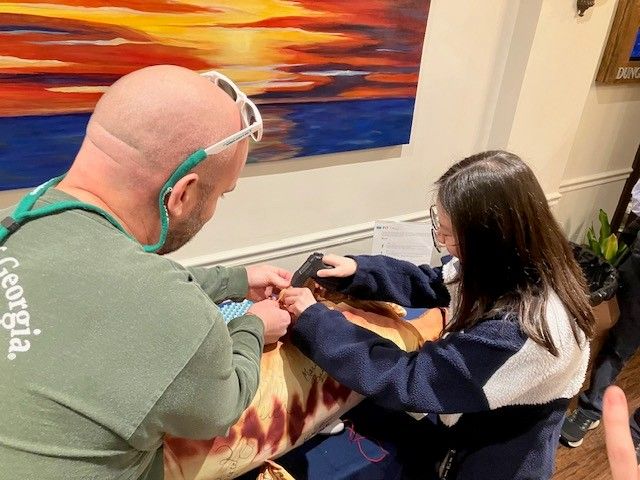
Key Takeaways from Georgia AFS 2026
Some conferences leave you informed. Others leave you energized. Our time at the Georgia AFS 2026 annual meeting on Jekyll Island did both. From the first session to the final conversations in the hallway, we experienced something deeper than a typical professional gathering. We listened, learned, shared ideas, and even got some hands-on tagging practice with Bubba the Bass. It truly felt like the perfect mix of learning, networking, and a little fun all in one place.
Learning That Felt Practical and Relevant
The conference theme, “The Science Behind Sustainable Fisheries: Bridging Management, Policy, and Conservation,” shaped the tone of the entire week. What stood out most was how clearly the sessions connected science with real-world outcomes. Presentations emphasized how sustainable fisheries depend on three interconnected pillars:
- Science-based management grounded in research, data, and monitoring
- Informed policy translating evidence into effective regulation
- Conservation efforts focused on habitat restoration and biodiversity
Throughout the Georgia AFS annual meeting, we appreciated how openly speakers and attendees shared both successes and ongoing challenges. Discussions around evidence-based decision-making, habitat protection, and ecosystem resilience felt practical rather than theoretical.
The symposium on the role of science in shaping natural resources policy especially reinforced how collaboration between researchers, policymakers, and conservationists remains essential for the future of fisheries management.
Hands-On Tagging Practice with Bubba the Bass
One of the most memorable moments came during the hands-on session where we practiced tagging techniques with Bubba the Bass. Experiences like this remind us why field-based fisheries work continues to inspire us every day.
During the session, we focused on:
- Proper fish handling to reduce stress during tagging
- Accurate placement techniques for dependable tracking results
- Efficient workflows that support consistency in field conditions
What made this experience valuable was the collaborative environment. We exchanged ideas, observed different approaches, and discussed how small adjustments in technique can significantly improve outcomes.
For us at Voda IQ, moments like this reinforce how essential precision and reliability are in tagging work. When equipment integrates seamlessly into field workflows, professionals can focus fully on collecting meaningful data rather than troubleshooting tools.
Conversations That Added Perspective
Between sessions, Georgia AFS 2026 felt just as impactful. Conversations with fisheries scientists, resource managers, students, and conservation professionals offered a deeper understanding of the challenges shaping the industry today.
Several themes came up repeatedly:
- The importance of dependable tools in unpredictable environments
- Growing emphasis on streamlined data collection workflows
- Continued focus on affordability and scalability for research programs
These exchanges reminded us how connected the fisheries community is. Everyone shares a commitment to balancing sustainability, policy, and conservation goals while adapting to evolving field demands.
Events That Strengthened Community
Beyond the sessions, the annual meeting offered meaningful opportunities to connect across experience levels. The Poster Social and Trivia Night created space for students to share their research in an engaging environment. The Student-Mentor Luncheon encouraged collaboration across generations of professionals.
We also appreciated how the business meeting and awards banquet highlighted the importance of community involvement and recognition. The annual fundraising effort, focused on aquatic restoration projects, outreach programs, youth fishing events, and professional development, reinforced the broader mission shared by everyone attending.
What We Shared Along the Way
While we gained so much from attending Georgia AFS on Jekyll Island, we also had valuable opportunities to exchange ideas with others in the field. Many conversations centered around improving efficiency in research workflows and supporting teams working in demanding environments.
These discussions felt collaborative rather than transactional. Sharing perspectives with professionals who face similar challenges reminded us how much innovation grows through open dialogue and shared experience.
Leaving Inspired and Looking Ahead
As the conference came to a close, we left with fresh ideas, stronger connections, and renewed motivation for the work ahead. Most of all, we left grateful. Grateful for the shared knowledge, meaningful conversations, and hands-on moments like working with Bubba the Bass that brought the entire experience to life.
Georgia AFS on Jekyll Island reminded us that fisheries professionals everywhere are working toward the same goal: sustainable, resilient aquatic ecosystems supported by strong science and collaboration. We are proud to be part of that effort and already looking forward to the next opportunity to learn, connect, and grow together.
Related posts
At Voda IQ, our mission has always been to create tools that make field research faster, easier, and more accurate. That’s why we’re proud to... Continue reading
At Voda IQ, we believe in the power of technology to drive positive change in the world of fisheries conservation. Just over two years ago,... Continue reading
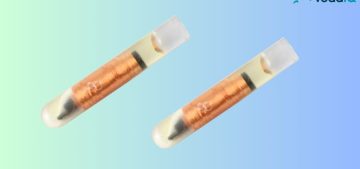
The use of Passive Integrated Transponder (PIT) tags in wildlife research, conservation, and animal management represents a pivotal advancement in the non-invasive tracking and identification... Continue reading
In the world of aquatic conservation and research, freshwater mussels have long been a focal point due to their ecological importance and the challenges they... Continue reading
Add comment