
The Ultimate Guide to Choosing Fish Tags: Types, Materials, Frequencies, and Use Cases
If you’ve ever tried to track fish movement, study population health, or gather long-term behavioral data, you already know how frustrating it can be when tags fall off, become unreadable, or simply don’t perform the way you expected. One failed tag can mean losing months of research data. Multiply that by an entire study group, and you’re suddenly dealing with gaps, inaccuracies, and setbacks that cost both time and resources.
This is why choosing the right fish tags isn’t just a technical step. It’s the backbone of reliable research and sustainable fisheries management. From recreational monitoring to academic studies to conservation programs, the tag you choose directly affects the quality of your results.
For educational institutions and young researchers entering the field, having access to reliable tagging tools is especially crucial, as it directly influences learning outcomes and data accuracy.
Here is the ultimate guide to help you select the right solution for your species, environment, and goals.
What Really Makes a Good Fish Tag?
Before comparing types, it helps to understand what separates high-performing fish tags from ineffective ones. The best tags share a few essential traits:
- They stay attached with a high retention rate
- They remain readable for long periods underwater
- They can be detected or scanned easily during recapture
- They do not harm the fish or alter their behavior
- They do not change catchability or increase predation risk
If a tag doesn’t meet all of these criteria, it may compromise your entire study.
Different Types of Fish Tags and When to Use Them
Choosing the right tag type depends on your research goals, species size, habitat, and duration of study. Each type has strengths and limitations.
External Identification Tags
These include T bar, dart, and spaghetti tags. They attach externally near the dorsal fin.
Best for:
- Mark recapture studies
- Large-scale population tracking
- Long-term identification
Benefits:
- Easy to apply
- Easy to read visually
- Low cost for large projects
Limitations:
- Slight risk of snagging
- May have lower retention on small or delicate species
Internal or Implant Tags
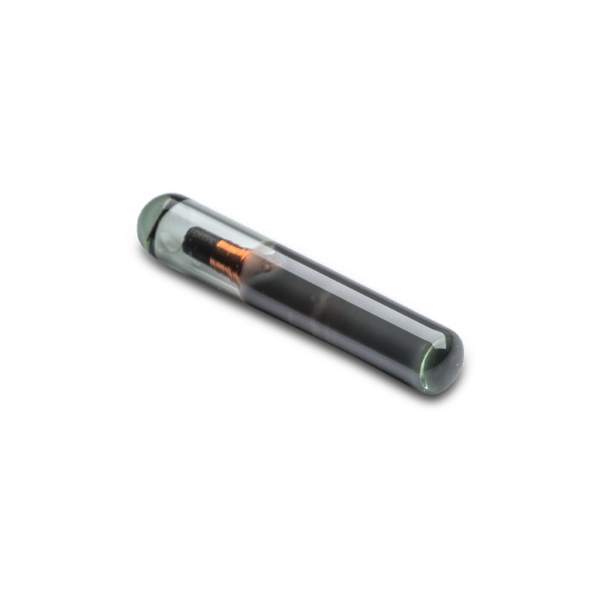
These are inserted into the body cavity or muscle tissue. PIT tags are one of the commonly used internal tags.
Best for:
- Studies requiring low-visibility tags
- Work involving sensitive or high-value species
- Projects requiring minimal external interference
- Long-term individual identification, especially with PIT tags
Benefits:
- Excellent retention
- Low stress for the fish
- Protected from wear
- Permanent and unique ID
- No external interference
Limitations:
- Requires trained personnel
- Not readable without scanning
Electronic Tags
These include acoustic, radio, and satellite tags. They allow active tracking.
Best for:
- Migration tracking
- Habitat use studies
- Behavioral monitoring
Benefits:
- Real-time and highly accurate data
- Useful for long-distance movement
- Works in environments where visual recapture is limited
Limitations:
- Higher cost
- May require specialized receivers or networks
Note: While acoustic tags provide valuable short-term movement and behavioral data, their battery life is limited. To extend the duration of data collection beyond the life of an acoustic tag, researchers often PIT tag the same fish at the time of acoustic tagging. This combined approach allows for both detailed short-term tracking and long-term identification throughout the study period.
Choosing the Right Materials
The material of the tag determines durability, readability, and safety. Fish species respond differently to tag types depending on skin thickness, scale structure, and fin anatomy.
Common Tag Materials
Plastic: Widely used, lightweight, and available in bright colors. Great for external tags that require visual recapture.
Stainless Steel: Durable and corrosion-resistant. Ideal for long-term saltwater environments.
Polymer Coated Metals: Combine strength with flexibility. Often used in dart and spear-type tags for improved retention.
Glass and Bioglass: Used in PIT tags, designed to be biologically neutral and safe for internal placement.
When selecting materials for fish tags, consider salinity, water temperature, species size, and expected duration in the field.
Understanding Tag Frequencies for Electronic Systems
Electronic fish tags use signal frequencies to transmit data. Choosing the right frequency ensures stable tracking, especially in challenging environments.
Low Frequency Tracking
Best for:
- Murky water
- Heavy vegetation
- Short-range tracking
Benefits:
- Better penetration through obstacles
- Reliable in dense environments
High Frequency Tracking
Best for:
- Open water
- Long-range studies
- High-resolution movement patterns
Benefits:
- More detailed location data
- Supports faster sampling rates
Multi-Frequency Systems
Used in advanced studies requiring layered information such as depth, temperature, and movement.
You might choose these when monitoring complex ecosystems or studying migratory species.
Matching Tags to Your Species and Environment
Selecting fish tags for saltwater and freshwater habitats requires careful consideration of environmental stressors. Each environment comes with unique challenges:
Saltwater Considerations
- Higher corrosion risk
- Strong currents
- Larger predators
- Increased wear on external tags
Freshwater Considerations
- Obstructions like rocks and vegetation
- Variable water clarity
- Smaller species sizes
For large migratory saltwater species, durable external or electronic tags often perform best. For freshwater research involving smaller fish, PIT tags may be more appropriate.
Use Cases: Matching the Right Tag to Your Project
- Population Studies: External tags or inexpensive spaghetti tags are ideal for large numbers.
- Behavioral or Movement Tracking: Electronic tags or acoustic tags offer the precise data required.
- Long-Term Studies: Internal tags or PIT tags provide excellent longevity.
- Hatchery Releases: PIT tags allow identification of individual fish over many years.
- Conservation Research: Use tag types that minimize stress and avoid altering natural behavior.
How to Ensure High Tag Retention
No matter how advanced the tag is, proper application is key. To improve retention:
- Use species-specific tagging techniques
- Avoid tagging during extreme temperature changes
- Ensure sterile tools and handling
- Position tags at recommended anatomical points
- Train your team thoroughly before fieldwork
Good technique makes all the difference between consistent data and inconsistent results. This is also why many fisheries programs partner with expert suppliers like VodaIQ, who not only provide research-grade equipment but also offer guidance on proper tagging techniques, supporting both classroom learning and field training.
Get the Most Reliable Tagging Solutions for Your Research
Tagging should never be a gamble. Whether you’re studying migration, population health, or long-term behavior, choosing the right fish tags determines the accuracy and integrity of your data. At VodaIQ, we offer durable, high-performing tagging solutions designed for both small-scale projects and advanced scientific studies.
If you’re an educator, student researcher, or part of a university program, VodaIQ also provides educational support and discounted pricing, making it easier to train the next generation of fisheries scientists using professional-grade tools.
If you want reliable results, safer tagging, and tools built for real-world conditions, connect with VodaIQ today. Our team will help you choose the perfect tags for your species, your environment, and your research goals.




Add comment