
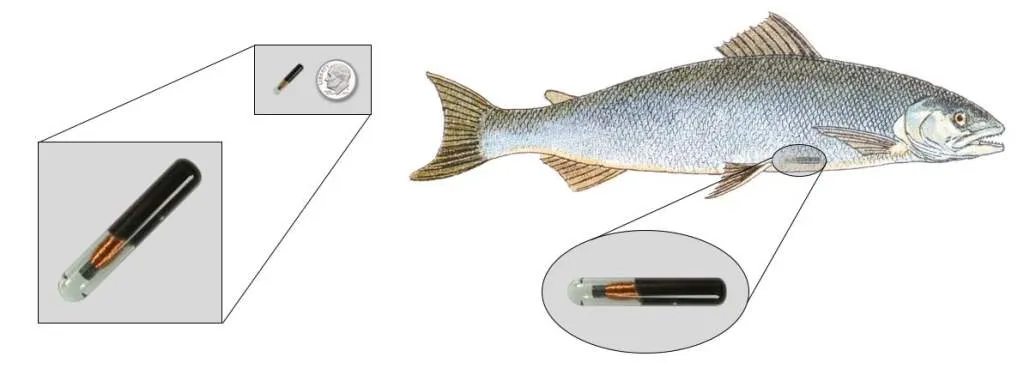
The Evolution of RFID in Fisheries Conservation
RFID technology has transformed fisheries conservation over the past several decades. What once began as a simple method for identifying individual fish has evolved into a highly sophisticated system used for migration studies, hatchery management, fish passage monitoring, population analysis, and long-term conservation research around the world.
Today, RFID technology and PIT tags are considered essential tools in modern fisheries science.
At Voda IQ, we work closely with fisheries biologists, hatcheries, universities, and conservation agencies that rely on RFID systems every day to collect accurate and reliable fisheries data.
What Is RFID Technology?
RFID stands for Radio Frequency Identification.
In fisheries conservation, RFID systems typically use PIT tags, or Passive Integrated Transponder tags, which are implanted into fish and detected using specialized RFID readers and antenna systems.
Each PIT tag contains a unique identification code that allows researchers to identify individual fish throughout their lifecycle.
Unlike external tags, PIT tags remain protected inside the fish and can function for many years without a battery.
The Early Days of Fish Tagging
Before RFID technology became common, fisheries researchers relied heavily on:
• External spaghetti tags
• Fin clipping
• Coded wire tags
• Visual marking techniques
While these methods provided useful information, they often had limitations such as:
• Tag loss
• Limited individual identification
• Stress on fish
• Labor intensive recovery methods
• Inconsistent long term monitoring
Researchers needed a more reliable way to identify and monitor fish over time.
The Introduction of PIT Tags
PIT tags changed fisheries research dramatically.
Because PIT tags:
• Require no internal battery
• Provide unique individual identification
• Can last for years
• Work underwater
• Require minimal maintenance
they quickly became one of the most valuable tools available for fisheries conservation.
Early PIT tagging programs focused heavily on salmon and steelhead studies throughout the Pacific Northwest, particularly in river systems where fish passage monitoring was critical.
Over time, RFID infrastructure expanded significantly.
RFID and Fish Passage Monitoring
One of the biggest breakthroughs in fisheries conservation came from fixed RFID antenna systems installed at:
• Dams
• Fish ladders
• Bypass systems
• Tributaries
• Hatcheries
• Research stations
These systems allowed researchers to automatically detect tagged fish moving through river systems without physically recapturing them.
This revolutionized fisheries science by making it possible to study:
• Migration timing
• Survival rates
• Fish behavior
• Habitat use
• Dam passage success
• Population dynamics
Large scale PIT tag detection systems now monitor millions of fish annually.
Improvements in PIT Tag Technology
As RFID technology evolved, PIT tags became:
• Smaller
• More durable
• More reliable
• Easier to implant
• Better performing
Today, fisheries professionals can choose from multiple PIT tag sizes depending on the species and study objectives.
Common tag sizes include:
• 8 mm PIT Tags
• 9 mm PIT Tags
• 12 mm PIT Tags
• 23 mm PIT Tags
Generally:
• Smaller tags are used for smaller fish
• Larger tags provide greater read range
The ability to tag smaller juvenile fish has significantly expanded research opportunities in fisheries conservation.
The Rise of Portable RFID Readers
Early RFID systems often relied heavily on fixed infrastructure.
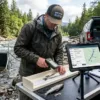
Modern fisheries programs now use highly portable RFID readers that allow researchers to work efficiently in:
• Rivers and streams
• Remote field sites
• Hatcheries
• Aquaculture facilities
• Small tributaries
• Mobile research operations
Portable RFID readers now commonly include:
• Bluetooth connectivity
• Large onboard memory
• Long battery life
• Waterproof designs
• Integrated data storage
These improvements have made RFID technology more accessible and efficient for fisheries professionals worldwide.
RFID and Fish Health Improvements
As fisheries science advanced, researchers also became more focused on fish handling and tagging impacts.
Modern RFID tagging systems now emphasize:
• Reduced handling time
• Improved implantation consistency
• Better fish recovery
• Lower stress levels
• Improved biosecurity
Preloaded PIT tag systems have become increasingly popular because they provide:
• Sharp sterile needles every application
• Faster tagging workflows
• Better consistency between technicians
• Improved fish health outcomes
At Voda IQ, systems such as the EcoSaver Preloaded PIT Tag System were developed specifically to help improve efficiency while minimizing tissue trauma and handling stress.
RFID and Modern Fisheries Data Collection
One of the biggest advances in fisheries conservation has been the integration of RFID technology with modern data management software.
Today’s fisheries crews often combine:
• PIT tags
• RFID readers
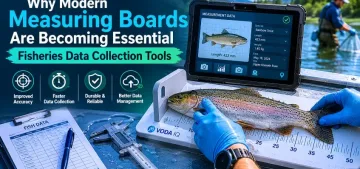
• Measuring boards
• Barcode scanners
• Digital scales
• Data management software
into fully integrated fisheries data collection systems.
This allows researchers to:
• Collect data faster
• Reduce manual entry errors
• Export information instantly
• Organize large datasets efficiently
• Improve long term data accuracy
Solutions like VodaTrak Software and the Veloce Measuring Board help fisheries professionals streamline field operations while improving overall data quality.
RFID Applications Continue Expanding
While PIT tags are best known for fisheries research, RFID technology is now used in:
• Aquaculture
• Wildlife studies
• Amphibian monitoring
• Bat research
• Turtle tracking
• Environmental monitoring
• Habitat restoration studies
Researchers continue discovering new applications for RFID technology across conservation and environmental science.
The Future of RFID in Fisheries Conservation
RFID technology continues evolving rapidly.
Future innovations will likely focus on:
• Faster data collection
• Improved portability
• Greater integration between devices
• Enhanced data management software
• Better field efficiency
• Improved fish welfare
As fisheries conservation becomes increasingly data driven, RFID systems will continue playing a central role in helping researchers better understand and protect aquatic ecosystems.
Why RFID Remains Essential in Fisheries Science
RFID technology continues to provide fisheries professionals with:
• Reliable long term identification
• Accurate individual tracking
• Cost effective monitoring
• Minimal fish impact
• Scalable research solutions
• High quality scientific data
For many fisheries and hatchery programs, RFID remains one of the most effective and dependable technologies available today.
Learn More About RFID Fisheries Solutions
To learn more about PIT tags, RFID readers, preloaded tagging systems, VodaTrak Software, and integrated fisheries data collection tools, visit:
Or contact the Voda IQ team to discuss the best RFID solution for your fisheries conservation or aquaculture project.


Add comment