
Why PIT Tags Continue to Be the Gold Standard for Fisheries Research
For decades, Passive Integrated Transponder (PIT) tags have remained one of the most trusted and effective tools in fisheries science. From salmon migration studies in the Columbia River Basin to hatchery monitoring programs and endangered species research, PIT tag technology continues to provide fisheries biologists with reliable, long term data collection at a cost effective price point.
While newer tracking technologies continue to emerge, PIT tags remain the gold standard for many fisheries and aquatic research applications because of their accuracy, durability, flexibility, and proven performance in the field.
At Voda IQ, we work with fisheries researchers, hatcheries, universities, and conservation agencies around the world that depend on PIT tag technology every day to better understand fish movement, survival, behavior, and habitat use.
What Is a PIT Tag?
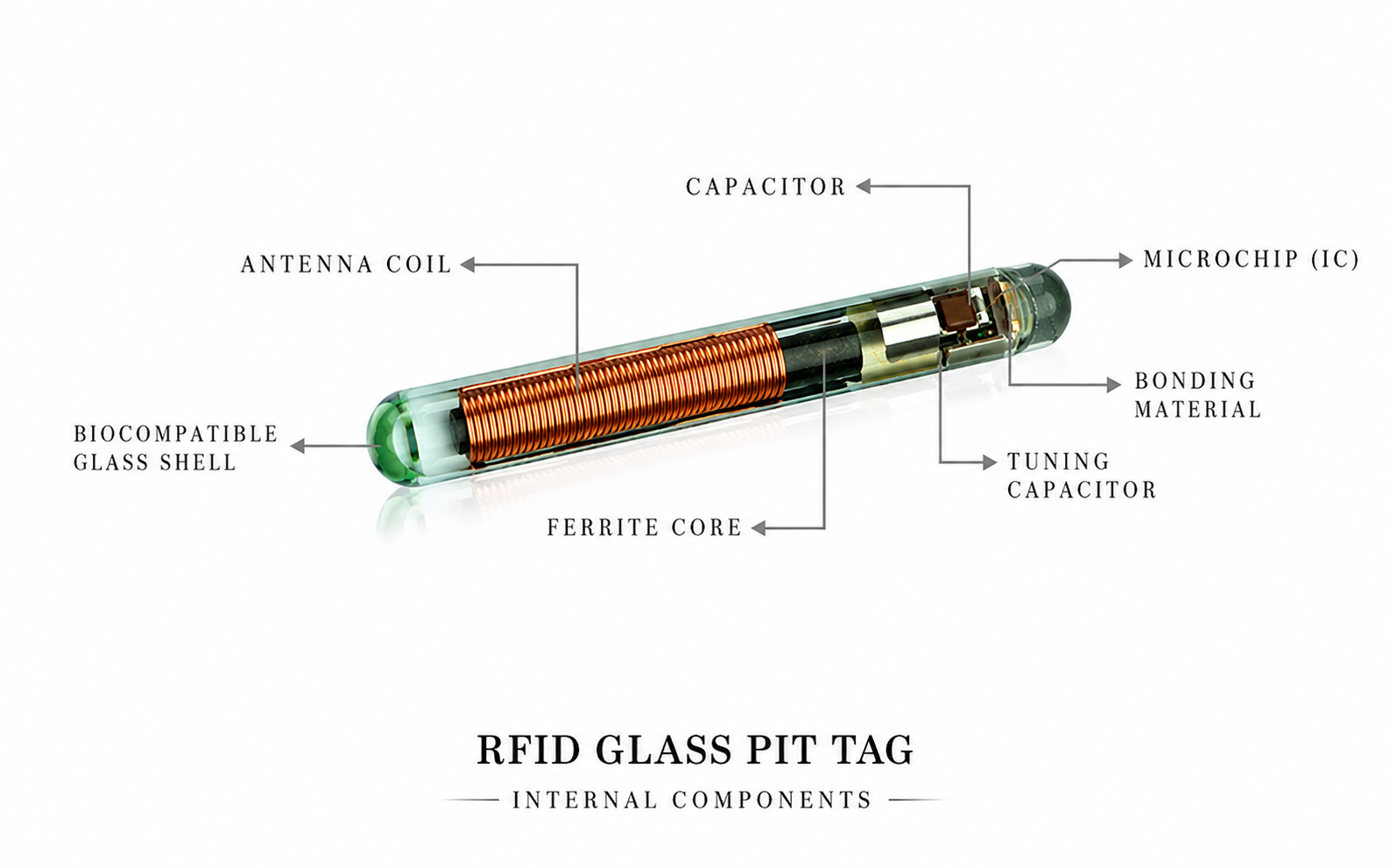
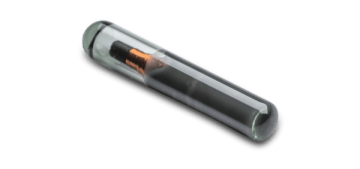
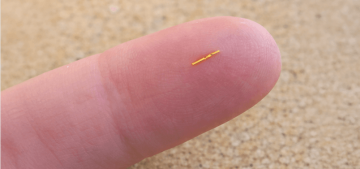
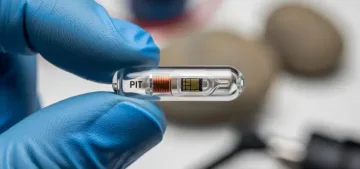
A PIT tag, or Passive Integrated Transponder tag, is a small RFID microchip enclosed in biocompatible glass. Each tag contains a unique identification code that can be detected by specialized RFID readers and antenna systems.
Unlike active telemetry systems, PIT tags do not require a battery. Instead, they are powered momentarily by the electromagnetic field generated by the reader. This allows PIT tags to remain functional for the life of the animal in many studies.
PIT tags are commonly implanted into fish species such as:
• Salmon
• Steelhead
• Trout
• Sturgeon
• Eels
• Catfish
• Lamprey
They are also increasingly used in amphibian, reptile, mammal, and environmental monitoring applications.
Why PIT Tags Are Still the Industry Standard
1. Long Term Reliability
One of the biggest advantages of PIT tag technology is longevity. Because PIT tags contain no internal battery, they can function for many years without maintenance or replacement.
This makes PIT tags ideal for:
• Long term survival studies
• Migration monitoring
• Growth studies
• Hatchery evaluations
• Population dynamics research
Many fisheries programs continue detecting fish tagged years earlier.
2. Cost Effective Research
Compared to acoustic telemetry or satellite tracking systems, PIT tag systems are often significantly more affordable. This allows researchers to tag larger sample sizes while maintaining strong statistical power in their studies.
For many fisheries agencies and universities operating under tight budgets, PIT tags provide an ideal balance between performance and affordability.
This is particularly important in:
• Large scale hatchery programs
• Juvenile salmon studies
• Long term monitoring projects
• Tributary movement studies
3. Minimal Impact on Fish Health
Modern PIT tag systems have become increasingly refined, allowing fisheries professionals to tag smaller fish with less handling stress and improved recovery.
At Voda IQ, products such as the EcoSaver Preloaded PIT Tag System and QuickLock Implanter are designed to improve tagging efficiency while helping reduce tissue trauma and handling time.
Using:
• Sharp sterile needles every application
• Consistent implantation depth
• Streamlined workflows
• Faster fish processing times
can significantly improve fish health outcomes during high volume tagging operations.
4. High Data Accuracy
Each PIT tag contains a unique identification code, allowing researchers to confidently identify individual animals throughout a study.
This level of precision supports:
• Mark recapture studies
• Survival estimates
• Fish passage monitoring
• Behavioral studies
• Detection history analysis
Unlike external tags, PIT tags are also protected inside the animal, reducing loss rates and improving long term identification reliability.
5. Proven Performance in Fisheries Research
PIT tag technology has been extensively validated across thousands of fisheries studies worldwide.
Researchers use PIT tags in:
• Rivers and streams
• Fish ladders
• Dams and bypass systems
• Hatcheries
• Lakes and reservoirs
• Aquaculture facilities
In North America alone, millions of PIT tagged fish are detected annually through large scale monitoring infrastructure.
Because the technology is standardized and widely accepted, PIT tag data can often be integrated across agencies and collaborative research programs.
PIT Tags vs Other Fish Tracking Technologies
While acoustic telemetry and radio telemetry both provide valuable research tools, PIT tags continue to dominate many applications because of simplicity and efficiency.
PIT Tags
Best for:
• High volume studies
• Long term monitoring
• Cost effective research
• Fixed detection infrastructure
• Hatchery evaluations
Acoustic Tags
Best for:
• Large open water systems
• Fine scale movement tracking
• Marine migration studies
Radio Telemetry
Best for:
• Surface oriented species
• Shallow freshwater systems
Each technology has strengths, but PIT tags remain one of the most scalable and practical tools available for fisheries professionals.
The Importance of Choosing the Right PIT Tag
Not all PIT tags perform equally.
Tag size, antenna design, encapsulation quality, and manufacturing consistency can all influence read performance and long term reliability.
Generally:
• Larger PIT tags provide greater read distance
• Smaller PIT tags are better suited for smaller fish species
• High quality encapsulation improves durability and retention
At Voda IQ, researchers can choose from multiple high performance PIT tag options including:
• 8 mm PIT Tags
• 9 mm PIT Tags
• 12 mm PIT Tags
• 23 mm PIT Tags
Selecting the right PIT tag for your study species and objectives is critical for success.
The Future of PIT Tag Technology
As fisheries research continues evolving, PIT tag systems are becoming increasingly integrated with:
• Cloud based data management
• Bluetooth readers
• Automated data collection software
• Real time field synchronization
• Integrated measuring boards and peripherals
Solutions such as VodaTrak Software and the Veloce Measuring Board are helping fisheries crews streamline field operations while improving data accuracy and efficiency.
The future of fisheries research is not simply collecting more data. It is collecting better data with less stress on fish and less time spent processing information manually.
Why Researchers Continue Choosing PIT Tags
Despite advances in tracking technologies, PIT tags continue to offer a combination of:
• Reliability
• Longevity
• Cost effectiveness
• Proven science
• Minimal fish impact
• Scalability
that few other technologies can match.
For fisheries professionals focused on conservation, hatchery management, migration studies, or aquatic research, PIT tags remain one of the most dependable tools available today.
Learn More About PIT Tag Technology
To learn more about PIT tags, RFID readers, VodaTrak Software, or integrated fisheries data collection tools, visit:
Or contact the Voda IQ team to discuss the best PIT tag solution for your fisheries research project.


Add comment